If you are considering Cypress, one of the biggest questions is not just which house should you buy, but which kind of community fits your daily life. Cypress master-planned communities can feel very different from one another, even when they are only a short drive apart. Understanding how they are set up, what amenities they offer, and how they connect to your commute can help you make a smarter move. Let’s dive in.
How Cypress master-planned communities are set up
In Cypress, many of the best-known communities are large master plans made up of smaller villages or neighborhoods rather than one single subdivision. That structure shapes how the community feels day to day, from where you enter to which amenities are closest to home.
For example, Bridgeland is organized into villages including Lakeland, Parkland, Prairieland, Creekland, and Bridgeland Central. Towne Lake includes neighborhoods such as Northshore, Marina Bay, Water’s Edge, Sunset Harbor, Arbor Grove, Lago Vista, Great Oaks, and The Heritage. Marvida also operates with resident HOA oversight, while Dunham Pointe is planned as a 1,300-acre custom-home community with future retail and a future Cy-Fair ISD campus noted in its community description.
What that means for you is simple: the overall master plan gives the community its framework, but each section can still have its own look, pace, and housing mix. One area may feel centered on trails and parks, while another may feel more focused on lakeside living, larger homesites, or amenity access.
Amenities shape daily life
Amenities are a major reason buyers look at Cypress master-planned communities in the first place. These neighborhoods are designed to offer more than homes alone, often including pools, parks, trails, clubhouses, sports courts, and gathering spaces.
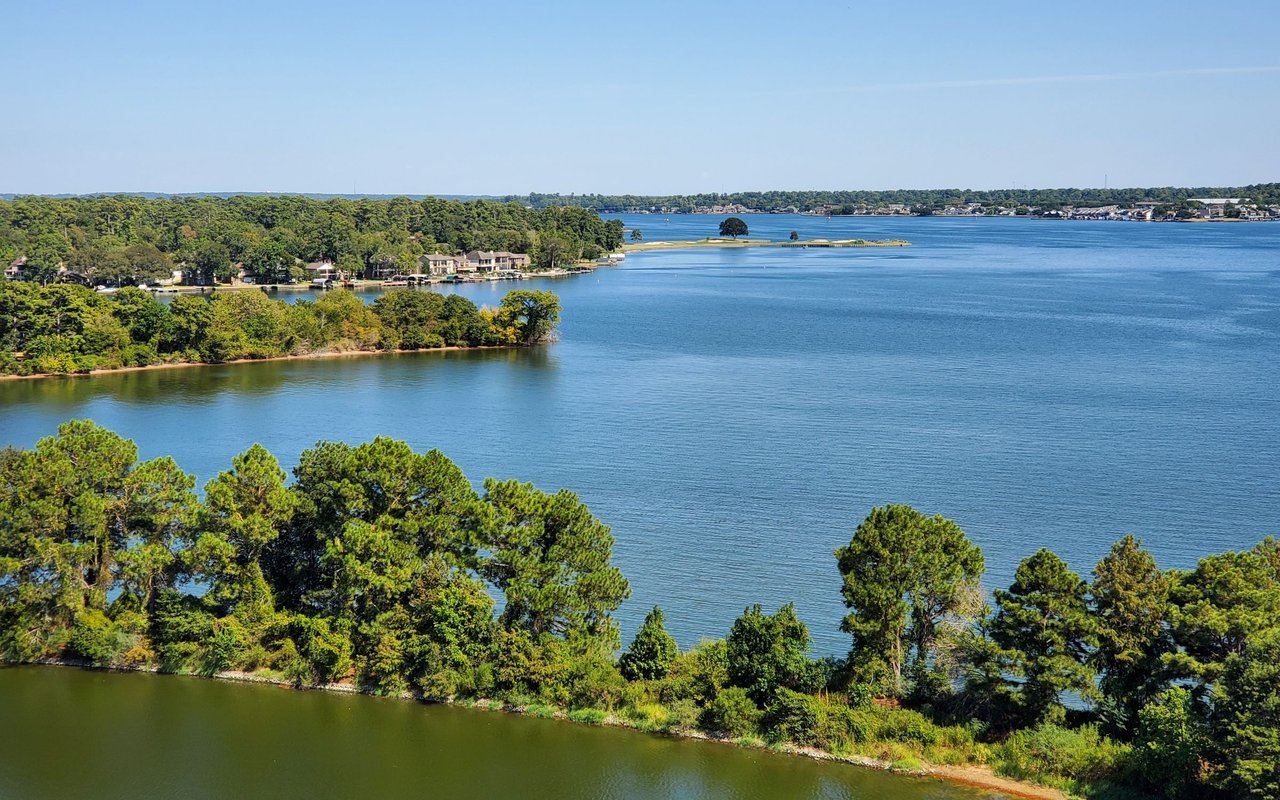
At Marvida’s amenity village, residents have access to a lazy river, splash pad, lap pool, water playground, clubhouse, event lawn, dog park, sport courts, and sand volleyball. Towne Lake centers much of its lifestyle around a 300-acre private lake, along with a marina, boat docks, parks, trails, a waterpark, and the Boardwalk. Bridgeland highlights 250 miles of trails and more than 70 parks.
That depth of amenities can change how you use your free time. Instead of driving elsewhere for recreation, you may find yourself walking to a park, biking a trail, meeting neighbors at the pool, or planning part of your weekend around what is already inside the community.
In some sections, community programming is part of the experience too. Towne Lake’s Heritage notes an onsite lifestyle director, and Bridgeland describes trails that connect villages, schools, churches, retail, and activity hubs. For many buyers, that creates a more neighborhood-centered routine that feels convenient and connected.
Home options are wider than many buyers expect
One of the biggest advantages of Cypress master-planned living is variety. Compared with a more conventional subdivision, these communities often offer a much broader range of home types, lot sizes, and maintenance expectations.
In Bridgeland, housing options include rental homes, townhomes, alley-load products, and active-adult homes on different site sizes. Towne Lake features a broad mix too, including duet-style homes, townhomes, larger 70- and 80-foot lots, 80- and 90-foot lots, and half-acre custom homesites. Marvida works with multiple builders and offers homes ranging from about 1,400 to 3,267 square feet.
That range matters because it gives you more ways to match your budget and lifestyle. You may want a lower-maintenance option with less exterior upkeep, or you may prefer a larger lot with more yard space and a more traditional suburban setup.
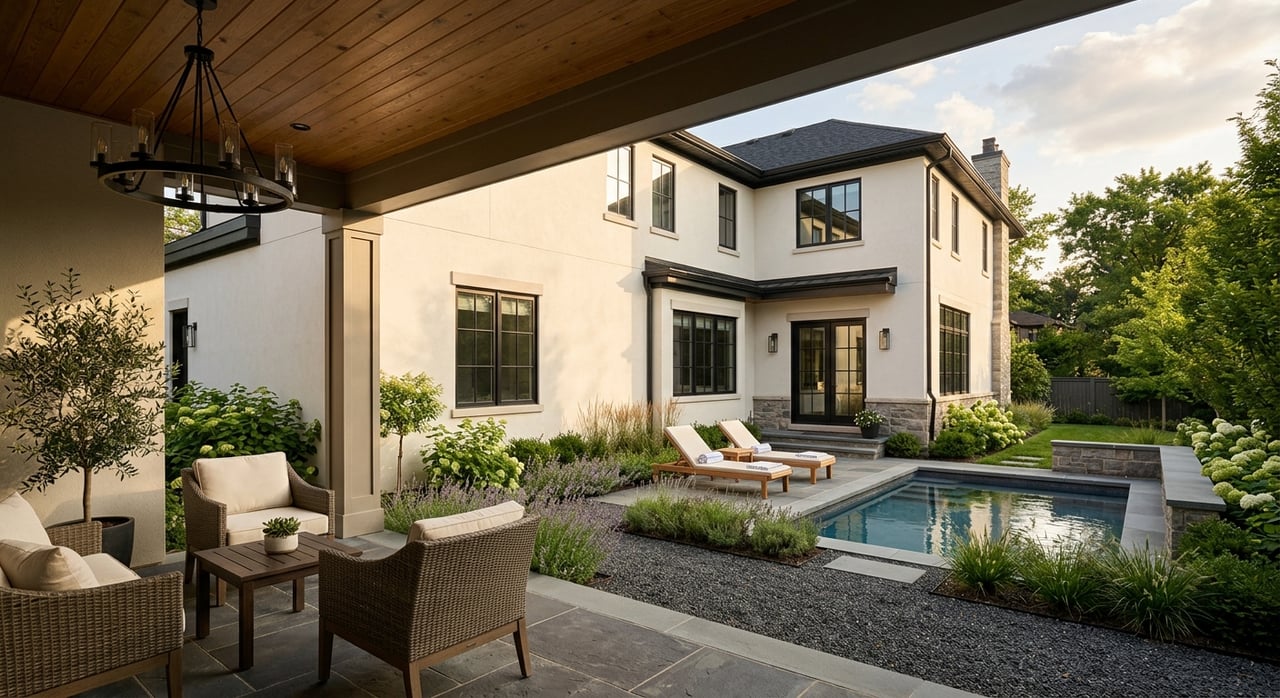
Architecture also varies from one section to another. Bridgeland references styles such as modern eclectic, modern farmhouse, and modern craftsman in some offerings, while Towne Lake’s custom sections lean more toward larger lakefront or wooded homes. The safest way to think about Cypress housing is not as one look, but as a market with a wide menu of choices.
Maintenance can affect your lifestyle
It is easy to focus on square footage and finishes, but upkeep is just as important. In master-planned communities, your maintenance load can vary a lot depending on the home type and lot size you choose.
Townhomes, garden-home concepts, and some rental-style options often appeal to buyers who want a more lock-and-leave lifestyle. Larger custom homes, half-acre sites, and lakefront lots may offer more space and privacy, but they can also mean more yard work and more exterior maintenance over time.
That is why it helps to think beyond the floor plan. When you tour homes, ask yourself how much time and energy you want to spend maintaining the property after move-in. The right answer is different for every household.
Commute patterns matter in Cypress
Cypress does not revolve around one central downtown. Instead, daily convenience often depends on which major corridor serves your neighborhood best and which direction you travel most often.
For example, Towne Lake is near US 290, Barker Cypress Road, and West Road. Marvida is positioned near FM 529, Fry Road, and the Grand Parkway. Dunham Pointe is located at Mason and Mueschke near Highway 290. Community location inside Cypress can make a real difference in how easy your workweek feels.
If you commute into Houston or nearby job centers, transit may also be part of the equation. METRO’s Cypress Park & Ride is located at 25210 U.S. Hwy. 290 Frontage Road, and METRO notes service from Cypress, including Route 219 serving Cypress Park & Ride and U.S. 290 @ Skinner. METRO also states that the Hwy. 290 HOV/HOT lanes run between I-10/I-610 and Mason Road in Cypress, with inbound and outbound service windows during typical commute hours.
Roadway infrastructure is another factor. According to TxDOT’s Grand Parkway Segment E overview, SH 99 Grand Parkway Segment E connects I-10 West near Katy to US 290 near Cypress and is intended to help manage congestion. TxDOT also notes plans to widen FM 2920 from BU 290 to SH 249 to improve mobility.
For you, the practical takeaway is that Cypress offers strong regional access, but commute planning still matters. Rush-hour traffic, toll-road preferences, and park-and-ride options should all be part of your home search strategy.
What everyday living can feel like
For many buyers, the appeal of a Cypress master-planned community is the built-in rhythm of life. These neighborhoods are designed so that a large share of daily needs and recreation happen close to home.
A typical day might include a short drive or walk for school drop-off, a trail walk, an afternoon at the pool, time at a park or playground, and errands or dining within or near the community. In neighborhoods where trails connect homes to amenities and gathering spaces, the community can feel like an extension of your home rather than just the place where your house sits.
That does not mean every Cypress master-planned community feels the same. Some lean toward waterfront living, some toward parks and trails, some toward family-focused recreation, and some toward custom-home space and privacy. The lifestyle fit depends on which features matter most to you.
How to compare Cypress communities
If you are narrowing your options, it helps to compare communities using a few practical filters instead of focusing only on the model home.
Here are some of the most useful questions to ask:
- How extensive are the amenities, and will you actually use them?
- What type of HOA structure is in place?
- What home sizes, lot types, and maintenance levels are available?
- How close are you to the roads you will use most often?
- Does the section you like feel aligned with your day-to-day routine?
This is especially important in Cypress because the tradeoff is not just about house size or finishes. You are also choosing a community model, a commute pattern, and a level of activity and upkeep that will shape your everyday experience.
Why this matters before you buy
Buying in a master-planned community is often a lifestyle decision as much as a real estate decision. Two homes with similar square footage can deliver very different experiences depending on the village, amenity package, lot type, and location within Cypress.
That is why it helps to look at the full picture before you commit. When you match the home to your real routine, not just your wish list, you are more likely to feel good about your decision long after closing.
If you are exploring Cypress and want practical guidance on how to compare neighborhoods, home styles, and commute tradeoffs, Stephanie Cooper (TX) can help you make a confident move with clear, local insight.
FAQs
What is a master-planned community in Cypress?
- A master-planned community in Cypress is a large development organized into smaller villages or neighborhoods with shared amenities, HOA oversight, and a broader long-term community plan.
What amenities do Cypress master-planned communities usually have?
- Common amenities include pools, splash pads, lazy rivers, clubhouses, fitness spaces, parks, playgrounds, sports courts, trails, and community gathering areas, although the exact lineup varies by community.
What types of homes are available in Cypress master-planned communities?
- Depending on the community, you may find townhomes, duet homes, garden homes, rental homes, active-adult homes, traditional single-family homes, and custom homes on larger lots.
How do I choose the right Cypress community for my commute?
- Start by mapping your most common routes, then compare which community is closest to the roads, tollways, or park-and-ride options you expect to use most often.
Are all Cypress master-planned communities the same?
- No. Some are more lake-focused, some emphasize trails and parks, some center on family-style amenities, and others offer larger custom-home settings, so the feel can vary quite a bit.
Why does lot size matter in a Cypress master-planned community?
- Lot size can affect privacy, yard space, and ongoing maintenance, which makes it an important part of your overall lifestyle choice, not just the home’s appearance.