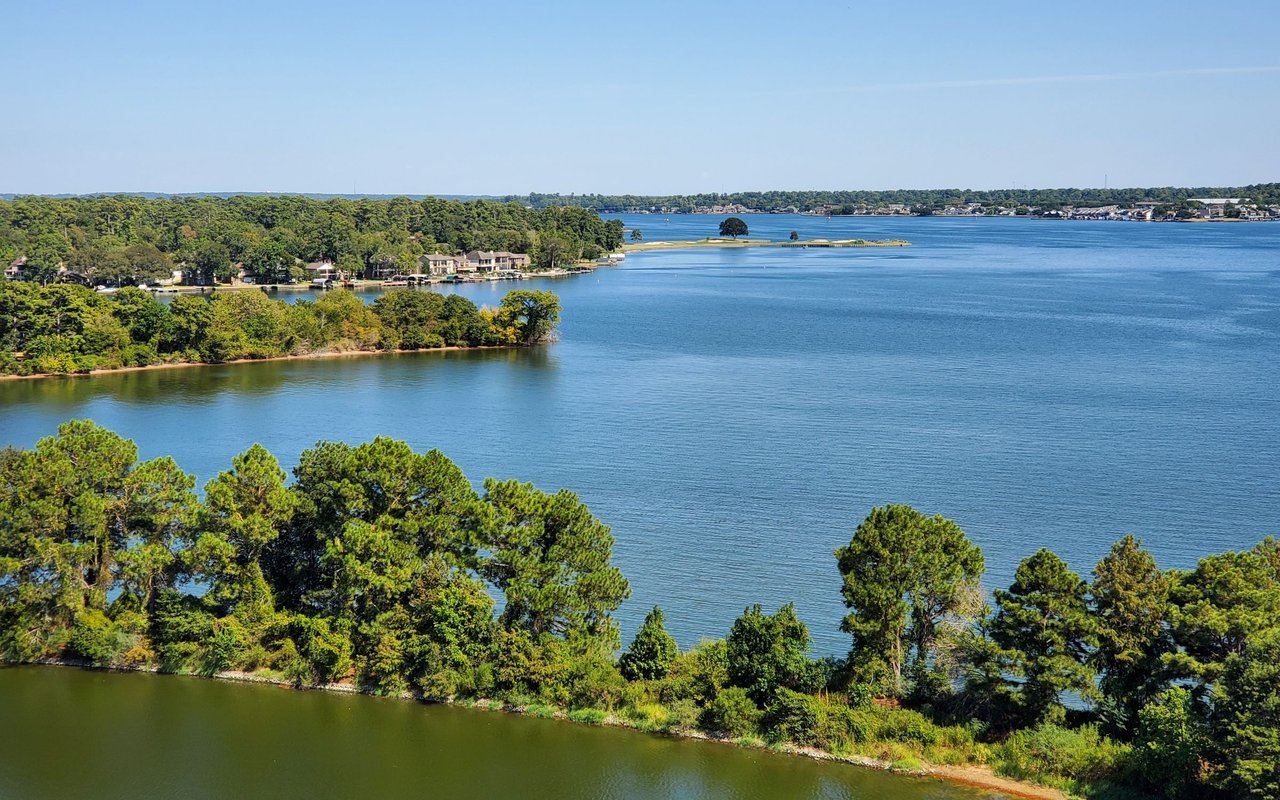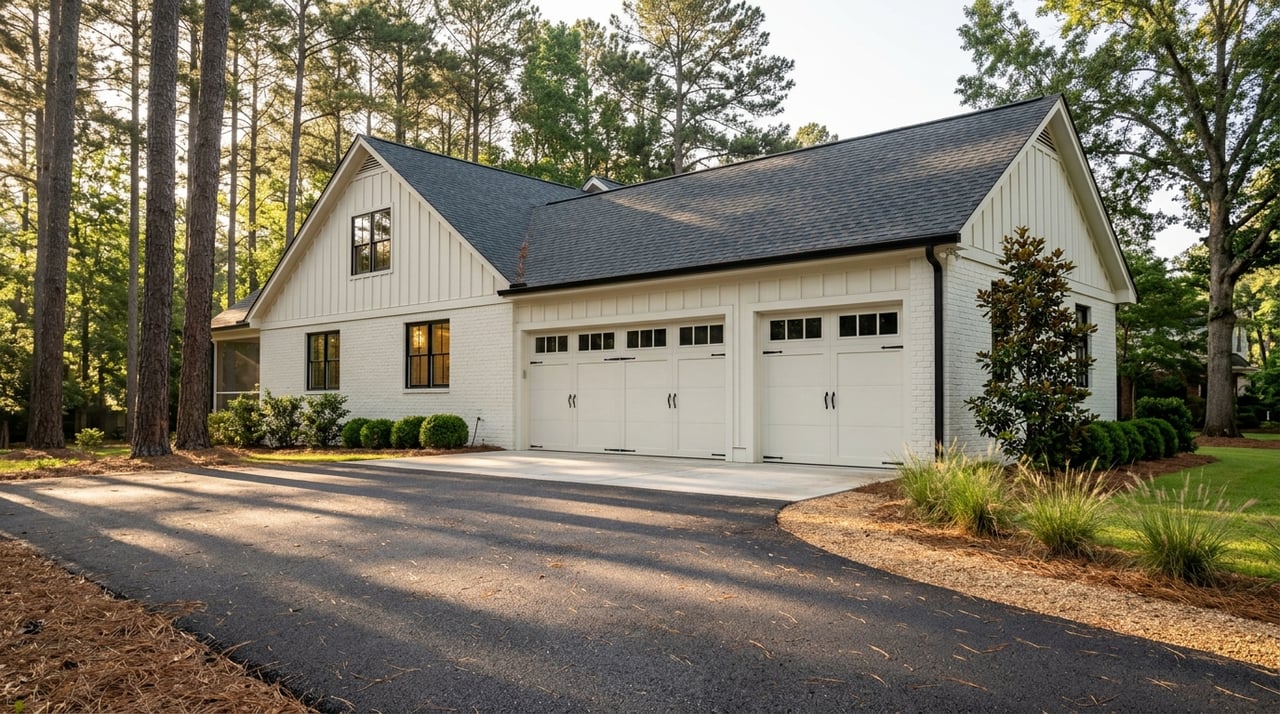
Dreaming about a home with room to spread out in Magnolia? A house on land can offer privacy, flexibility, and a different pace of life, but it also comes with questions you may not face on a typical neighborhood lot. If you are thinking about buying a home on acreage or a wooded tract, it helps to understand how access, utilities, flood risk, and taxes can affect your day-to-day life and long-term costs. Let’s dive in.
Why Magnolia Land Homes Stand Out
Magnolia offers a smaller-city setting with close ties to the broader North Houston area. According to the U.S. Census QuickFacts for Magnolia, the city had an estimated 2024 population of 6,506, covers 2.87 square miles, and has a mean travel time to work of 31.4 minutes.
That matters because buying a home on land in Magnolia is often about more than the house itself. You may be choosing extra outdoor space, wooded surroundings, room for future improvements, or a more private layout. At the same time, the exact location of the property can shape your commute, maintenance needs, and utility setup.
Check Road Access First
When you buy land in Magnolia, the access route matters almost as much as the parcel. The City of Magnolia notes that TXDOT-numbered roads such as 1488, 1774, 249, 1486, and 2978 are separate from city roads within city limits and county roads outside city limits, which means road maintenance can vary by location. You can review the city’s TXDOT contact information and road guidance as part of your research.
For you as a buyer, that can affect how convenient daily driving feels in real life. Two homes may both have a Magnolia address, but one may offer easier access to major routes while another may involve more rural road travel, especially after heavy rain or during peak commute times.
Understand Water, Sewer, and Utility Service
One of the biggest differences between a standard subdivision home and a home on land is the utility setup. Inside city limits, the City of Magnolia handles water, wastewater, and garbage billing, and Montgomery County Precinct 2 directs new Magnolia development water, sewer, and electrical questions to the city.
Outside more typical serviced areas, a property may rely on a private well, septic system, or another utility arrangement. Before you move forward, confirm exactly what serves the home today and whether documentation is available for any existing systems.
Private Wells Need Extra Due Diligence
If the property has a private well, treat water quality as an important part of your inspection process. The Texas Commission on Environmental Quality states that it does not regulate private drinking water wells, which means owners are responsible for maintaining and testing them.
Texas A&M AgriLife recommends annual testing, at minimum, for nitrate, total dissolved solids, and E. coli or fecal coliform. That means you should ask the seller for recent water test results and a maintenance history rather than assuming a well is ready to go without review.
If the well is permitted, there may be another layer to check. Magnolia is in Montgomery County, which falls under the Lone Star Groundwater Conservation District, and the district states that monthly meter readings are required for all permitted wells.
Septic Systems Require Verification
Acreage properties often depend on onsite sewage facilities, also called OSSFs, which include septic systems and holding tanks. According to the TCEQ septic permitting guidance, permits are required, and local authorities can apply stricter standards than the state minimum.
Montgomery County’s septic guidance adds several practical details buyers should know. A site evaluation with soil analysis is required, floodplain status must be obtained from the permit office, and the county will not issue septic permits in the regulatory floodway.
Lot size can also matter. County guidance says lots should generally be at least 0.75 acre without a private well and 1.5 acres if both a septic system and private well will be installed.
If the property uses an aerobic system, you should also confirm whether there is a required maintenance contract in place. Montgomery County states that aerobic systems need a two-year initial maintenance contract before final inspection.
Lot Layout Affects Future Plans
When you buy a home on land, the lot layout can either support your plans or limit them. If you are thinking about adding a shop, pool, barn, guest structure, or future home addition, you need enough usable space after accounting for setbacks, easements, and utility system spacing.
That spacing is not just a minor technicality. Texas A&M AgriLife’s water well basics guide says a wellhead should be at least 50 feet from a septic tank and 100 feet from a drainfield, and county materials also list separation-distance requirements tied to wells, tanks, water bodies, and property lines.
A property that looks spacious on paper can feel very different once you map out where systems already sit. This is one of the reasons a careful review of surveys, permits, and site layout matters before closing.
Floodplain Review Is Essential
Floodplain checks are especially important when you are buying a larger tract. Montgomery County states in its residential permit materials that floodplain status is determined at permit application, any work in the 100-year floodplain requires a permit, and septic permits will not be issued in the regulatory floodway.
You can also verify flood exposure through FEMA’s Flood Map Service Center using the property address as part of your due diligence. Even if the current home is usable as-is, floodplain or floodway status can affect future improvements and how you think about the site overall.
Plan for Ongoing Land Maintenance
A home on land usually brings more outdoor responsibility than a standard neighborhood lot. In Magnolia, that may include mowing larger areas, clearing brush, managing tree limbs, maintaining drainage paths, and keeping drive access usable after storms.
The Texas A&M Forest Service says property owners should identify priority areas, water sources, fences, gates, and known hazards before a wildfire. Its wildfire-ready landowner priorities checklist is a helpful starting point if you are evaluating how manageable a property may be.
For you, the practical question is simple: how much time, money, and equipment will this land require each year? A beautiful wooded tract can be a great fit, but only if the maintenance expectations line up with your lifestyle.
Know How Taxes and Value Work
Land-heavy properties can be harder to compare than homes on standard subdivision lots. The Texas Comptroller explains that appraisal districts value property as of January 1 and typically consider factors such as size, use, construction type, age, and location, with the sales comparison approach often preferred when enough sales data exists.
That helps explain why two Magnolia properties with similar homes can carry different value and resale potential. Access, utilities, flood exposure, and site layout all influence how buyers and appraisers view a property.
You should also ask whether the tract has any agricultural, timber, or wildlife-management special appraisal. The Comptroller notes that qualifying land may be appraised on productivity value instead of market value, but a change to non-agricultural use can trigger rollback taxes on the prior three years, plus interest for some land.
If this will be your primary residence, there is another tax point to know. Texas limits annual appraised value increases for qualifying homesteads to 10%, and that limitation takes effect the tax year after the exemption is in place.
A Smart Buyer Checklist for Magnolia Land
Before you buy a home on land in Magnolia, make sure you can answer these questions:
- Who maintains the road, and how does the access route work for your daily driving?
- Is the property on city utilities, another provider, or a private well and septic system?
- If there is a well, when was the water last tested for nitrate, total dissolved solids, and bacteria?
- If there is a septic system, are permits, site evaluations, and approval records available?
- Is any part of the tract in a flood zone, floodplain, or floodway?
- Do the lot layout, easements, and spacing rules leave room for your future plans?
- Is there an agricultural, timber, or wildlife valuation in place, and what happens if your use changes?
- How much annual maintenance will the land realistically require?
Buy With a Clear Plan
Buying a home on land in Magnolia can be a great move when you understand what you are getting beyond the listing photos. The right property can offer flexibility, privacy, and long-term enjoyment, but the best decisions usually come from careful review of road access, utilities, flood exposure, layout, and tax details before you commit.
If you want a steady, informed approach to evaluating Magnolia properties, Stephanie Cooper (TX) can help you compare options, ask the right due diligence questions, and move forward with more confidence.
FAQs
What should you check first when buying a home on land in Magnolia?
- Start with road access, utility service, floodplain status, and whether the property uses a private well or septic system.
What do Magnolia buyers need to know about private wells?
- Private well owners are responsible for maintenance and testing, and Texas A&M AgriLife recommends annual testing for nitrate, total dissolved solids, and E. coli or fecal coliform.
What do Magnolia buyers need to know about septic permits?
- Septic systems require permits, and Montgomery County may apply local standards that include site evaluation, soil analysis, and floodplain review.
How can floodplain status affect a Magnolia land purchase?
- Floodplain or floodway status can affect future improvements, trigger permit requirements, and in some cases prevent septic permitting in the regulatory floodway.
Why can two Magnolia homes on land have different tax outcomes?
- Property taxes can vary based on market value, homestead exemption status, and whether the tract qualifies for agricultural, timber, or wildlife-management special appraisal.