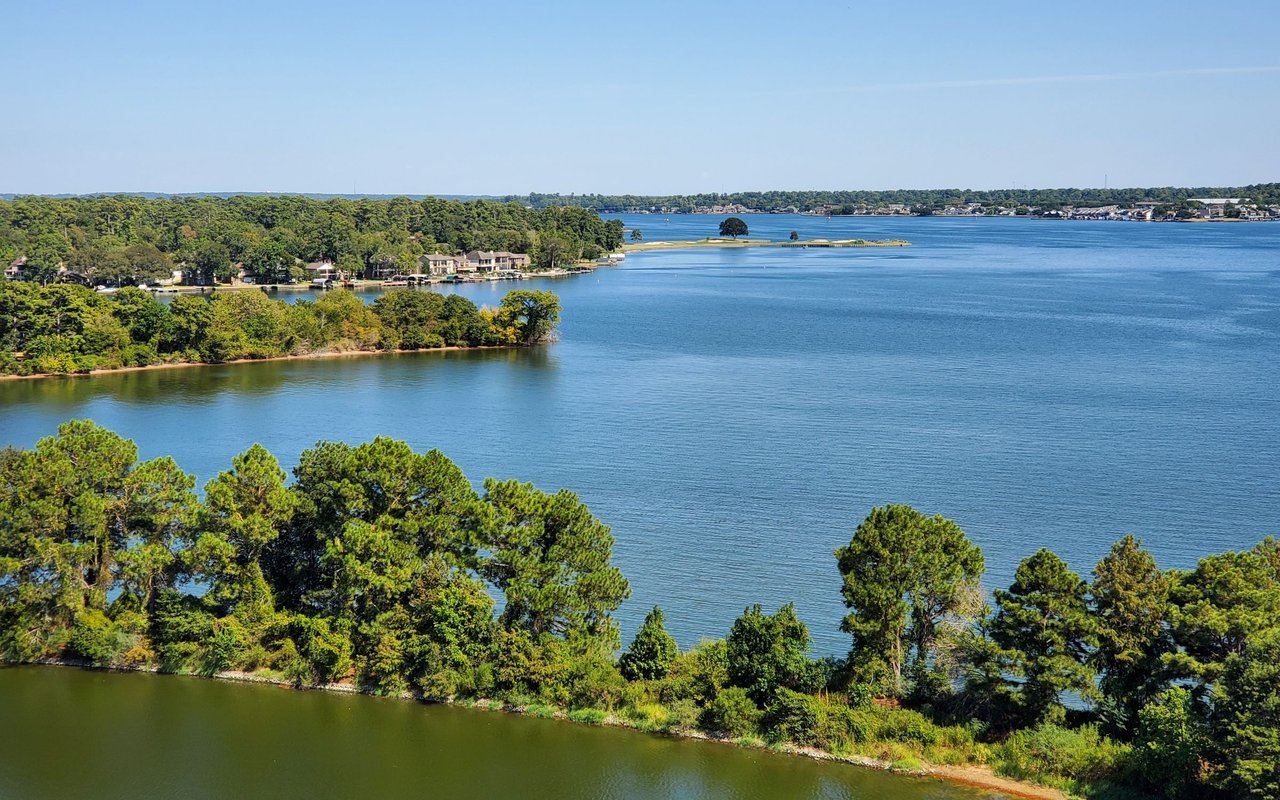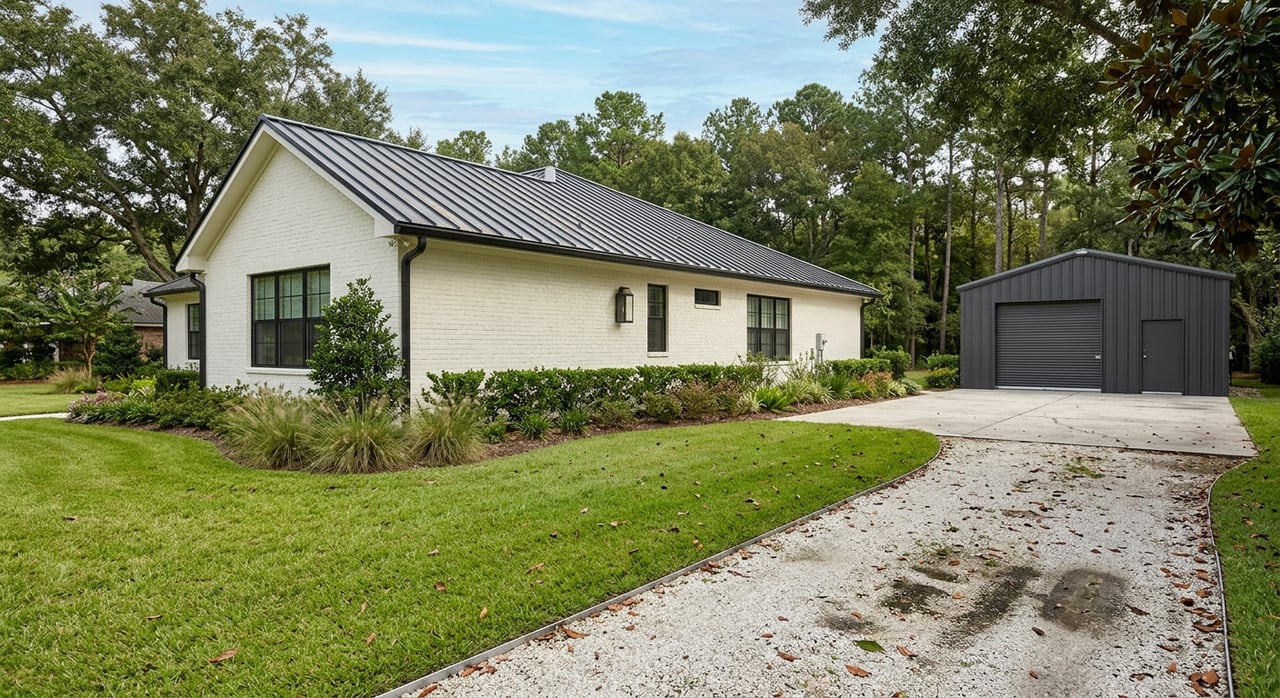
Wondering if acreage living in Magnolia is the upgrade you have been looking for? More land can mean more privacy, more room to spread out, and more freedom for outdoor projects, but it also comes with details that are easy to miss if you only focus on the size of the lot. If you are considering a move to Magnolia, this guide will help you think through utilities, flood risk, maintenance, and project planning so you can make a confident decision. Let’s dive in.
Why Magnolia Appeals to Acreage Buyers
Magnolia sits in southwest Montgomery County at FM 1774 and FM 1488. The city describes it as about 45 miles northwest of Houston and 25 miles southwest of Conroe, with SH 249 Toll Way serving as an important access and growth corridor.
That location helps explain why acreage living draws so much interest here. You can get a less dense setting and more outdoor space while still staying within driving distance of Houston-area job centers, shopping, and everyday services.
Still, commute assumptions can cause problems. Magnolia may be roughly 40 minutes from Houston according to city materials, but your actual drive depends on the exact parcel, road access, and your regular destination.
What “More Space” Really Means
Acreage often appeals to buyers who want breathing room. You may be looking for distance from neighbors, extra parking space, room for equipment, or a property that gives you flexibility for future outdoor plans.
That extra room can also support projects that are harder to pull off on a smaller suburban lot. Buyers often picture outbuildings, fencing, garden space, workshop areas, or open land for hobbies.
But larger land does not automatically mean unrestricted use. Before you fall in love with the idea of a project property, it is smart to verify what the parcel actually allows.
Utilities Can Change the Whole Decision
One of the biggest differences between one Magnolia acreage property and another is utility service. Two homes with similar lot sizes can have very different costs, maintenance needs, and setup depending on whether they are inside city service or outside it.
City Utilities in Magnolia
Within the city, Magnolia provides water, wastewater, and refuse service. The city also publishes utility application steps, water meter procedures, and new connection information.
If a property connects to city water or sewer, tap fees may apply. The city lists example one-time fees starting at $650 for a 5/8-inch water tap and $925 for a 4-inch wastewater tap, with possible added charges for additional work.
Those numbers matter because they can affect your move-in budget or renovation plans. If you are buying a property that needs a new connection, ask early about the expected process and total cost.
Well and Septic Outside City Service
Outside city service areas, many acreage properties rely on private well and septic systems. That setup is common in suburban and rural Texas, but it changes your due diligence.
The Texas Commission on Environmental Quality says on-site sewage facilities require a site evaluation, and a permit is generally required before construction, installation, repair, extension, or alteration. TCEQ also notes that conventional septic tanks are typically pumped every three to five years.
If a home has a private system, ask who services it and whether maintenance records are available. A well-kept file can tell you a lot about how the property has been cared for.
Groundwater Rules Matter Too
If a parcel has a well, you also need to know who regulates groundwater in that area. In Montgomery County, groundwater is managed by the Lone Star Groundwater Conservation District.
That means well-related questions should include more than water quality and equipment condition. You should also confirm whether the property falls under district rules and whether any registration or permit obligations apply.
Maintenance Is the Tradeoff for Privacy
Acreage can feel peaceful, but it is not low-effort living. More land usually means more mowing, more brush control, more drainage attention, and more time spent keeping the property usable.
That is especially true in Southeast Texas. Regional climate data for Houston Hobby show summer average highs in the low 90s and annual rainfall of 54.65 inches.
In practical terms, that means you may be managing both heat-season growth and wet-season drainage. A property that looks manageable during a quick showing can feel very different after a full summer or a stretch of heavy rain.
Flood Risk Needs Parcel-Level Review
Flood risk is one of the most important acreage questions in Montgomery County. It is not enough to hear that an area “feels high and dry” or that a property has a country setting.
A 2025 Texas General Land Office notice said FEMA-effective maps include 90,310 acres, or 13.2%, in Montgomery County’s 100-year floodplain. The same notice also identified 55,410 acres in the floodway and 65,698 acres of wetlands.
That is why parcel-specific review matters so much. A large lot can include usable high ground, lower wet areas, and sections with development limits, all on the same property.
Before you move forward, check the exact parcel through the official FEMA flood-hazard source. You want to understand not just the house site, but also the full tract if future clearing, fencing, storage, or building is part of your plan.
Projects Need More Than Vision
One reason buyers love Magnolia acreage is the idea of future projects. Maybe you want a detached structure, new fencing, land clearing, or a better outdoor setup over time.
That vision can absolutely be part of the appeal, but larger lots do not guarantee unlimited flexibility. Restrictions and local rules can shape what you can build, where you can place it, and what site work may require review.
Deed Restrictions Still Matter
Texas guidance summarized by TexasLawHelp explains that deed restrictions can regulate structure size, location, and property use. In restricted subdivisions, buyers are agreeing to those terms as part of ownership.
So even if a parcel is much larger than a typical neighborhood lot, do not assume your plans are automatically allowed. Review recorded restrictions and any applicable HOA rules before treating the land like a blank slate.
Site Work May Count as Development
Montgomery County floodplain regulations take a broad view of development. The rules state that development can include clearing, demolition, grading, paving, installation of fences, excavation or drilling operations, and the storage of equipment or materials.
That is a key point for acreage buyers. What feels like a simple outdoor improvement could trigger extra review depending on the property’s location and conditions.
A Smart Magnolia Acreage Checklist
If you are comparing acreage homes in Magnolia, these questions can help you avoid surprises:
- Is the property inside city limits or outside city utility service?
- Is it connected to city water and sewer, or does it use a private well and septic system?
- If city utilities are involved, are tap fees or new connection costs expected?
- If septic is present, are maintenance and pumping records available?
- If a well is present, what district rules or registration requirements apply?
- Is any part of the parcel in a floodplain, floodway, or wetland area?
- Are deed restrictions or HOA rules compatible with your plans?
- Could fencing, clearing, grading, or other site work require added review?
- How much regular mowing, brush control, and drainage work will the land require?
- What does the real commute look like from that exact address?
How to Think About the Tradeoff
The best Magnolia acreage properties usually strike a balance between space and manageability. You want enough land to support your lifestyle, but not so many unknowns that the property becomes stressful to own.
For some buyers, the right fit is a home with room to spread out and straightforward city utility access. For others, the draw is a more rural setup with a well, septic, and long-term project potential.
Neither choice is automatically better. The right answer depends on how you want to live, how hands-on you want to be, and how carefully the property supports your plans.
Acreage purchases reward buyers who slow down and ask better questions early. When you do that, you can enjoy the benefits of space and privacy without walking into avoidable surprises.
If you are thinking about buying or selling acreage in Magnolia, working with a local advisor can help you sort through property-level details and focus on the options that truly match your goals. When you are ready to talk through Magnolia land, lifestyle, and next steps, connect with Stephanie Cooper (TX).
FAQs
What makes Magnolia acreage living appealing for buyers?
- Magnolia acreage living can offer more privacy, more outdoor space, and room for hobbies or future projects, while still providing access to Houston, Conroe, and other North Houston destinations.
What utility questions should buyers ask about acreage in Magnolia?
- You should ask whether the property is on city water and sewer or uses a private well and septic system, and whether any connection steps, tap fees, or maintenance records need review.
What are Magnolia city utility tap fees for acreage properties?
- Magnolia lists example one-time tap fees starting at $650 for a 5/8-inch water tap and $925 for a 4-inch wastewater tap, with possible additional charges depending on the work required.
What should buyers know about septic systems on Magnolia acreage?
- TCEQ says septic systems generally require site evaluation and permitting for construction or certain changes, and conventional septic tanks are typically pumped every three to five years.
Why is floodplain research important for Magnolia acreage homes?
- Floodplain research matters because large parcels can include different land conditions, and Montgomery County includes significant acreage in the 100-year floodplain, floodway, and wetland areas.
Can you build anything you want on a Magnolia acreage property?
- No, because deed restrictions, HOA rules, and local regulations may affect structure size, location, fencing, clearing, grading, and other site work.
How should buyers evaluate a Magnolia acreage commute?
- You should test the drive from the exact parcel to your regular destinations instead of relying on a general city-wide estimate, because travel time can vary by location and road access.